
HealthByte 049
This month: The under-appreciated role of the thymus in cancer treatment, a novel fusion protein treats knee osteoarthritis safely, and common antibiotics leave a decade-long effect on gut health.

Welcome to HealthByte, your curated monthly source for the latest breakthroughs in health and life science.
Bytes of Research
1. Thymic health and immunotherapy outcomes in patients with cancer
(Nature)
TL;DR: A study of over 3,400 cancer patients shows that better thymus function, reflecting stronger T cell immunity, is linked to improved outcomes from immunotherapy independent of tumour-based biomarkers.
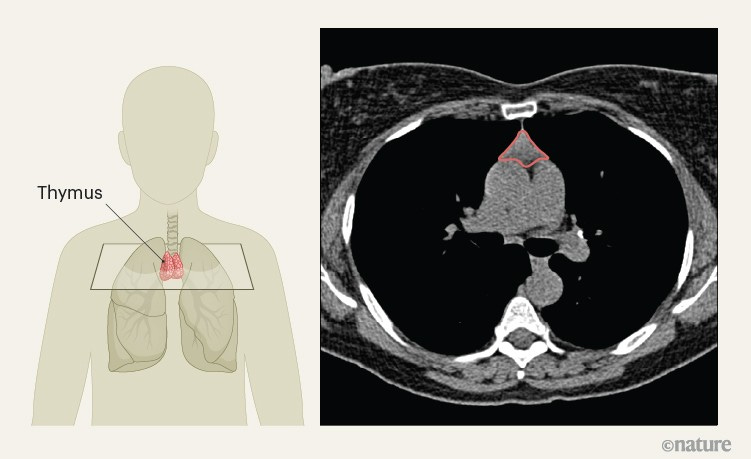
Immunotherapy has transformed cancer treatment by activating the body’s own immune system, particularly T cells, to attack tumours. However, only some patients benefit, and current biomarkers mainly focus on tumour characteristics rather than the patient’s overall immune capacity. The thymus is a small organ located in the chest that plays a central role in the immune system by producing and training T cells, which are essential for recognising and fighting disease. Although it shrinks with age and has often been overlooked in adults, it may still be important for maintaining immune function.
In this study, researchers analysed CT scans from more than 3,400 patients with different cancers using a deep learning approach to estimate “thymic health” as a measure of how well the thymus is functioning. They found that patients with higher thymic health had better outcomes after immunotherapy, including longer survival and slower disease progression, particularly in lung cancer. These associations remained even when accounting for established tumour based biomarkers, suggesting thymic health provides additional and independent information.
Further analyses showed that higher thymic health was linked to greater production and diversity of T cells, supporting the idea that it reflects a more capable immune system. The findings suggest that a patient’s immune fitness, not just tumour biology, plays a key role in determining response to immunotherapy. Measuring thymic health using routine scans could therefore help guide treatment decisions and improve personalised cancer care.
2. Insulin resistance prediction from wearables and routine blood biomarkers
(Nature)
TL;DR: Smartwatch-derived data, combined with routine blood tests, can accurately predict early insulin resistance, a precursor to type 2 diabetes. This could enable large-scale, low-cost screening and earlier preventive interventions.
Insulin resistance—a key early step in the development of type 2 diabetes—often develops gradually and remains undetected, as conventional diagnostics rely on infrequent clinical measurements that can miss early physiological changes.
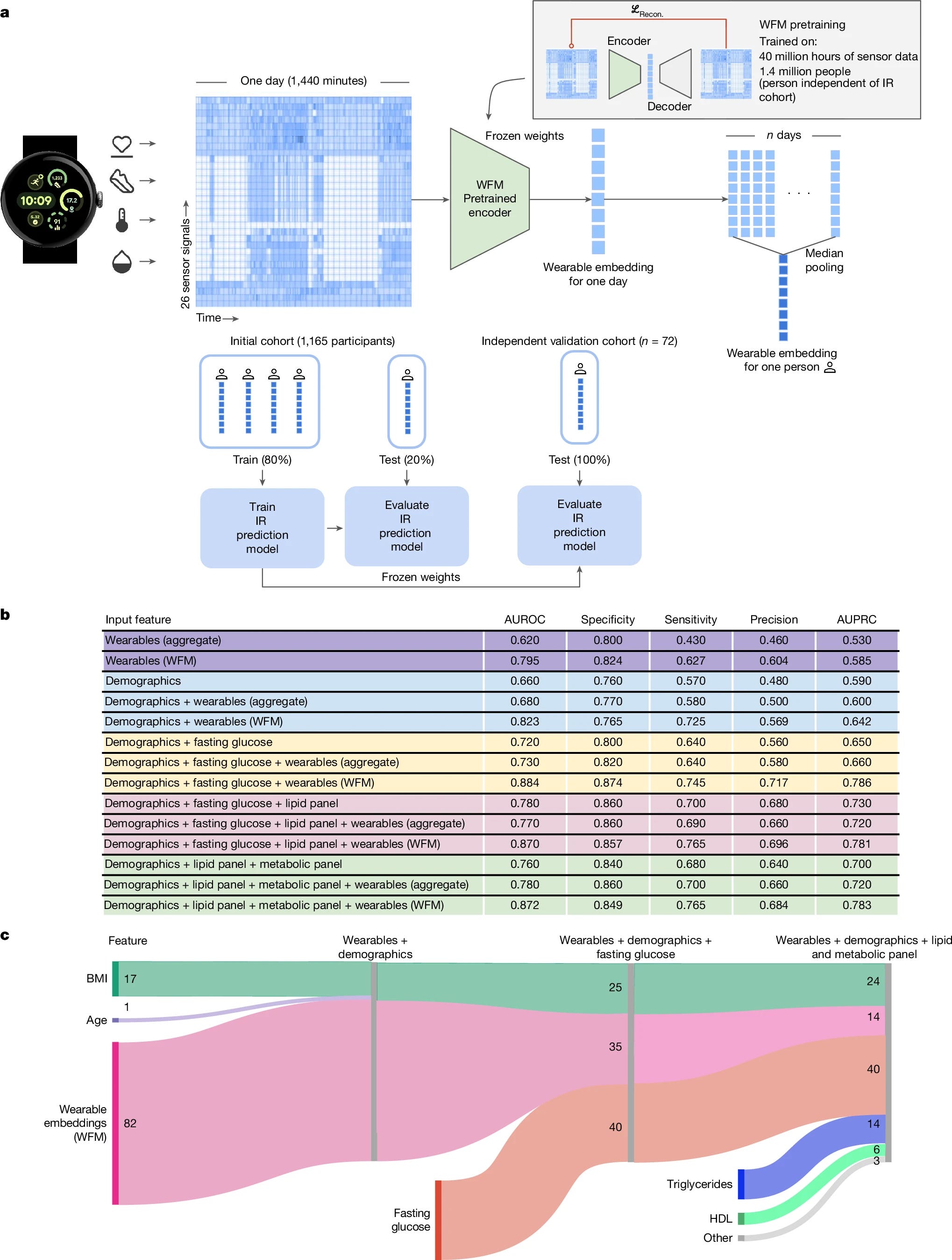
In this study, data from over 1,100 participants in the WEAR-ME cohort were analysed, combining continuous smartwatch-derived measures (including heart rate, physical activity, and sleep patterns) with routine blood biomarkers and demographic data. Machine-learning models were trained to identify patterns associated with insulin resistance, leveraging both longitudinal wearable data and standard clinical inputs.
Wearable data alone provided informative signals, but predictive performance improved substantially when combined with routine clinical measures. Models integrating multiple data streams achieved strong accuracy, and more advanced approaches capturing temporal patterns in the wearable data further enhanced prediction. These findings suggest that insulin resistance is reflected in subtle, day-to-day physiological changes, such as alterations in activity levels, cardiovascular dynamics, and sleep–wake rhythms.
The study indicates that combining continuous data from consumer devices with basic clinical information could enable earlier detection of metabolic dysfunction. This approach may help identify individuals at risk during a window when lifestyle interventions are more feasible and effective, potentially improving prevention of type 2 diabetes.
3. Socioeconomic disparities in treatment and survival of oesophageal and gastric cancer in the Netherlands: a nationwide population-based study
(Lancet Regional Health - Europe)
TL;DR: Even in a universal healthcare system, patients from higher socioeconomic status were more likely to receive recommended cancer treatments and showed better survival than those from lower-income groups.
This nationwide Dutch study examined whether socioeconomic status influences treatment and survival in patients with oesophageal and gastric cancers within a universal healthcare system. Using data from over 30,000 patients diagnosed between 2015 and 2022, the authors compared treatment patterns and survival across income groups, adjusting for key clinical factors.
Middle- and high-income patients were more likely to receive treatment. For example, middle-income patients had around 15–50% higher odds of undergoing surgery compared with low-income patients, while high-income patients with oesophageal cancer had about 25% higher odds. In the palliative setting, higher-income groups were also more likely to receive systemic therapy (roughly 30–50% higher odds).
These differences were reflected in survival. In potentially curable gastric cancer, median survival was about 7 months longer in middle-income versus low-income patients, with similar trends seen across other groups and outcomes. The findings suggest that socioeconomic disparities persist despite universal insurance and are not fully explained by clinical factors, pointing to broader inequalities that influence treatment and outcomes.
4. Blood-brain barrier disruption, traumatic encephalopathy, and cognitive decline in retired athletes
(Science Translational Medicine)
TL;DR: Persistent blood–brain barrier disruption and inflammation may underlie long-term cognitive decline in athletes exposed to repetitive head trauma.
Repetitive head impacts in collision and combat sports are linked to an increased risk of later-life cognitive decline, but the underlying biological mechanisms remain incompletely understood.
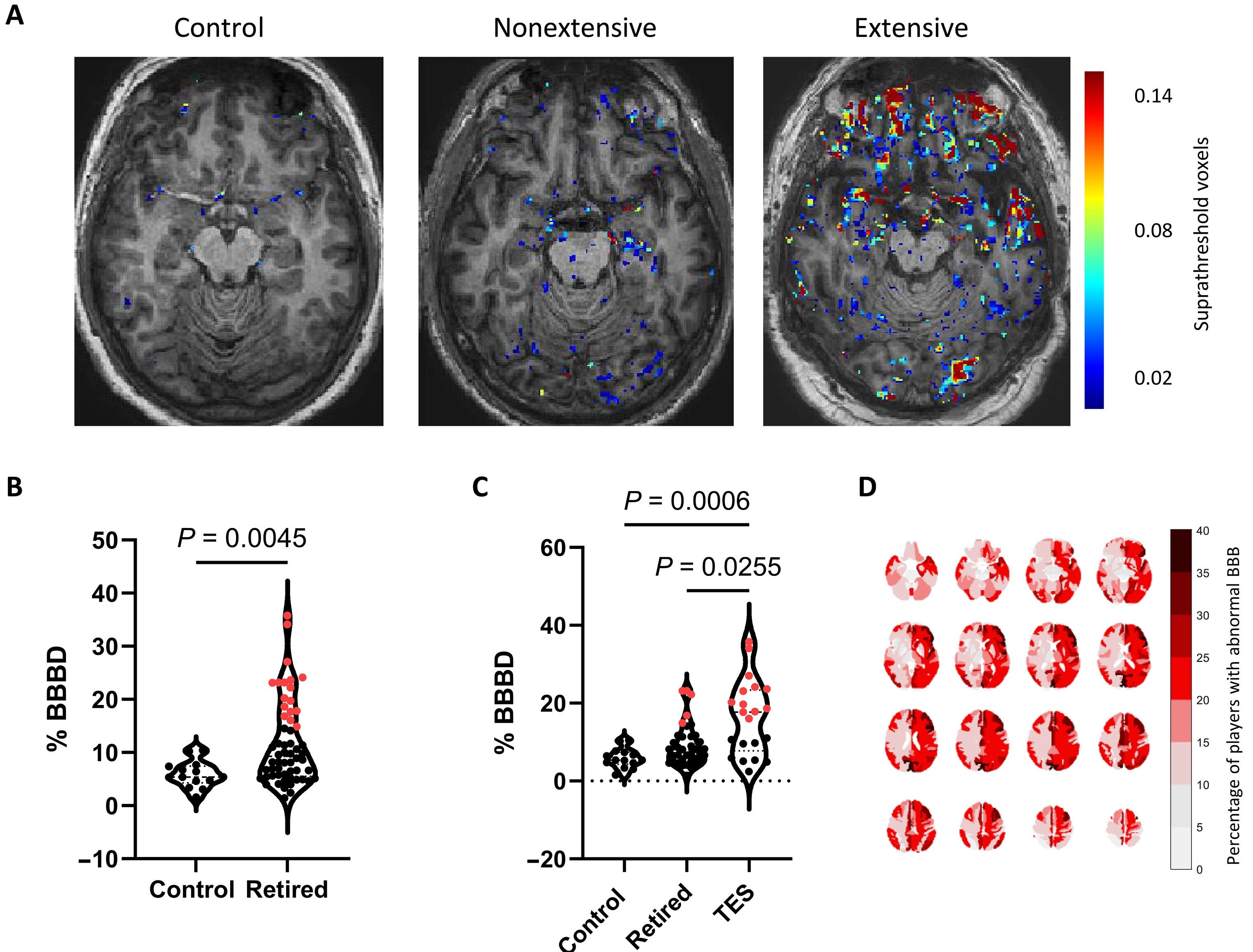
In this study, 47 retired athletes underwent dynamic contrast–enhanced MRI to assess blood–brain barrier (BBB) integrity years after exposure to repetitive head trauma. Imaging findings were combined with cognitive testing and analyses of circulating immune cells to explore associations between vascular dysfunction, inflammation, and neurological outcomes.
BBB disruption was detectable long after retirement and was associated with poorer cognitive performance compared with controls. A distinct subgroup of athletes with more extensive BBB leakage showed the greatest cognitive impairment, reduced brain volumes, and evidence of heightened systemic inflammation. Notably, self-reported concussion history did not reliably predict BBB abnormalities. Molecular analyses further linked cognitive decline to dysregulation of inflammatory pathways, including the complement system. Persistent BBB dysfunction and chronic inflammation may therefore contribute to long-term neurodegenerative changes following repetitive head trauma, highlighting potential biological targets for earlier detection and intervention.
5. Efficacy of a smartphone game to increase age and condom use at first sex among adolescents in Kenya (Tumaini): a randomised controlled trial
(Lancet Child & Adolescent Health)
TL;DR: A smartphone based interactive game for Kenyan adolescents reduced the likelihood of unprotected first sex, with clear benefits observed among girls but not among boys.
A growing challenge in HIV prevention is reaching adolescents in sub-Saharan Africa with effective, scalable interventions before they become sexually active. In this randomised controlled trial conducted in Kenya, researchers tested a low cost smartphone game called Tumaini, designed as an interactive choose your own adventure story. Players guide a set of characters through common adolescent experiences such as relationships, peer pressure, and future planning, making decisions and seeing their consequences unfold. The game also includes mini games and reflective activities to build practical skills, knowledge, and confidence around topics like condom use and delaying sex. Nearly 1,000 adolescents aged 12 to 14 were followed for almost four years, with participants either playing Tumaini or a control maths game.
By the end of the study, those who played Tumaini were significantly less likely to report a high risk sexual debut, defined as first sex without a condom, compared with controls, 6 percent versus 10 percent, corresponding to a risk ratio of 0.56 (95% confidence interval: 0.34 to 0.92). The effect was stronger among girls, with a risk ratio of 0.34 (95% confidence interval: 0.15 to 0.77), while results for boys were not statistically significant.
The game did not significantly delay the age of first sex, but it did increase condom use and improve knowledge, attitudes, and confidence related to safer sex. Overall, the findings suggest that interactive, theory based digital interventions can produce sustained changes in adolescent behaviour, highlighting their promise as engaging and scalable tools for HIV prevention.
6. Efficacy and safety of LEVI-04 in patients with osteoarthritis of the knee: a randomised, double-blind, placebo-controlled, phase 2 trial
(The Lancet)
TL;DR: A first-in-class fusion protein, LEVI-04, significantly reduces osteoarthritis pain and improves joint function without the severe safety risks seen in previous neurotrophin-targeting drugs.
Osteoarthritis is a degenerative condition where the breakdown of protective cartilage leads to chronic pain and loss of mobility. While previous experimental drugs effectively blocked pain via nerve growth factor inhibition, they were abandoned after causing rapid joint deterioration. LEVI-04 offers a more targeted mechanism. As a fusion protein that supplements the body’s natural p75 neurotrophin receptor (p75NTR), it inhibits neurotrophin-3 (NT-3)—a driver of pain and bone loss—while maintaining the signalling necessary for joint integrity.
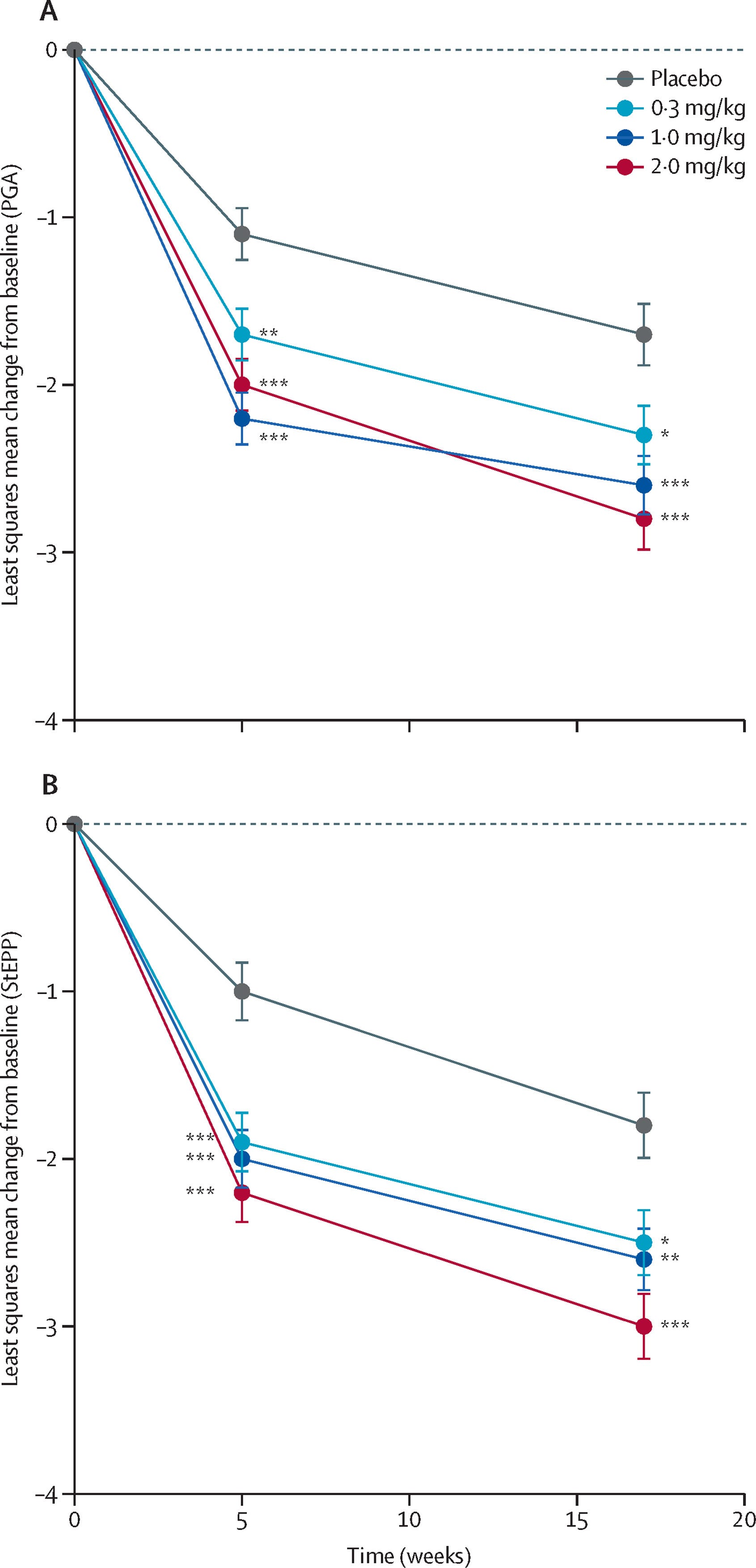
In this Phase 2 trial of 518 participants, monthly infusions of LEVI-04 significantly outperformed placebo in reducing pain and improving mobility. High doses provided relief as early as day three, and crucially, imaging showed no increase in the severe joint damage seen in earlier drug classes. These results suggest a safe, viable path for long-term osteoarthritis management by modulating neurotrophin levels without compromising joint structure.
7. Antibiotic use and gut microbiome composition links from individual-level prescription data of 14,979 individuals
(Nature Medicine)
TL;DR: Certain antibiotics cause microbial disruptions that persist for nearly a decade, with recovery plateaus suggesting long-term shifts in gut health and metabolic disease risk.
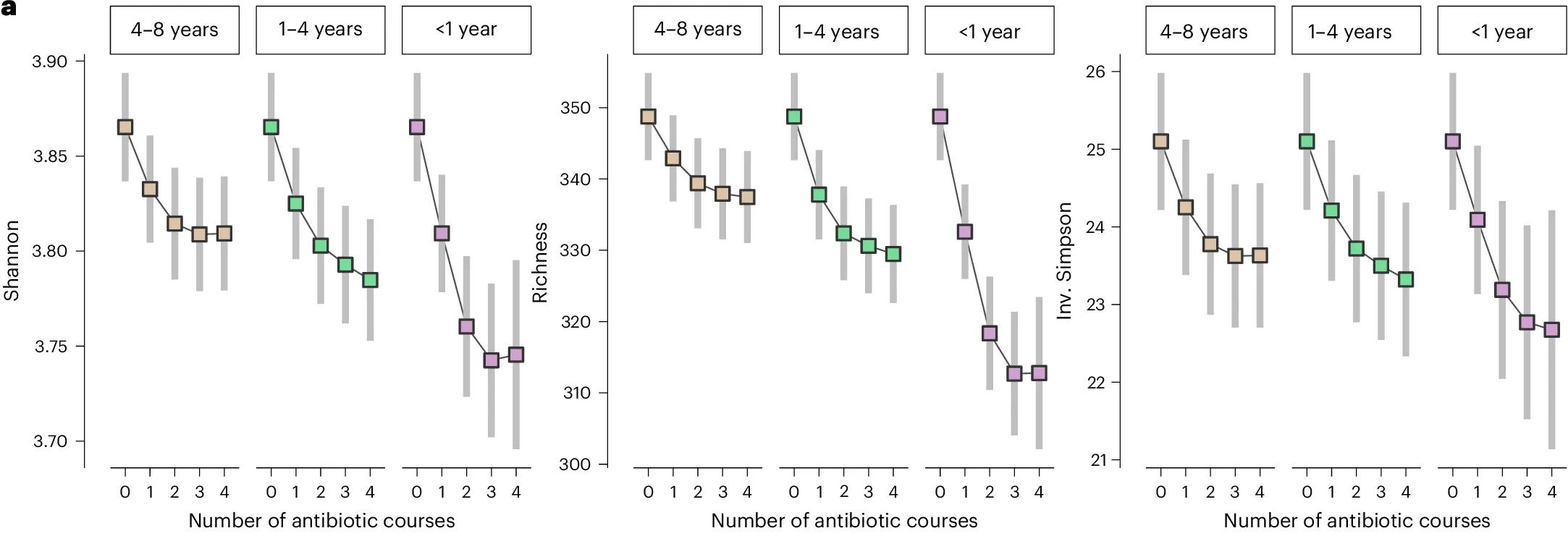
The gut microbiome is a complex ecosystem essential for metabolic homeostasis and immune regulation. While short-term antibiotic perturbations are well-documented, the long-term impact on alpha diversity and specific microbial taxa has remained largely unquantified. This study integrated eight years of individual-level data from the Swedish National Prescribed Drug Register with faecal metagenomes from 14,979 adults to map these lasting consequences across different antibiotic classes.
The researchers found that even a single antibiotic course taken 4–8 years prior to sampling was associated with significantly reduced species richness. Clindamycin, fluoroquinolones, and flucloxacillin were identified as the most disruptive agents, altering the abundance of 10–15% of all studied species. These shifts were characterised by a depletion of beneficial commensals and an enrichment of taxa such as Ruminococcus gnavus and Enterocloster bolteae, which are clinically linked to higher BMI and serum triglycerides. While regression models showed rapid diversity recovery within the first two years, the process typically plateaued thereafter, suggesting that certain antibiotics leave a permanent “microbial scar” on the host’s internal environment, and may lead to long-term effects on metabolic health.
Other pieces we’ve been reading
Designing AI for Disruptive Science: Why scaling AI won’t automatically lead to paradigm shifts. (Asimov Press)
Microbubbles: It’s incredibly hard to deliver drugs to the right organ, especially to reach the brain. Tiny gas-filled spheres that burst on command could change that. (Works in Progress)
The clock in our genes: The biologist Victoria Foe discovered a timing device in ‘junk’ DNA that could unlock the evolution of complex life. (Aeon Essays)
Language Birth: Since 1960, the world has lost hundreds of languages — and gained thousands. (Asterisk Magazine)
More frequent ejaculations may boost men’s fertility, research suggests: Need for abstinence before fertility treatment questioned as study finds sperm deteriorates as it stays in body. (The Guardian)